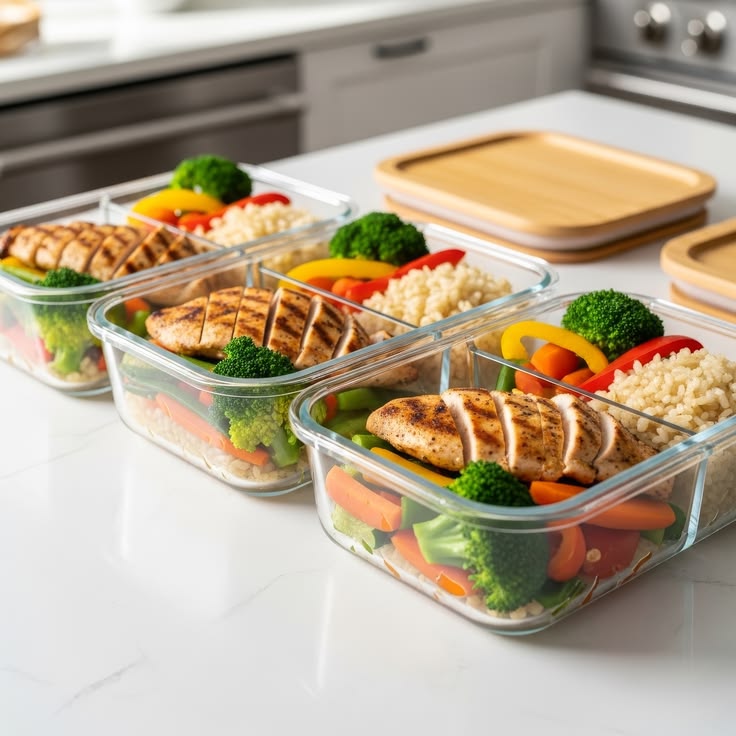
Visual layout of quick ten-minute meal components arranged for assembly

10-Minute Meal Systems

When prep work is done in advance, roughly ten minutes can be enough to assemble a structured plate from pre-built components. This page explains assembly-only templates — general planning information, not recipe prescriptions or health-related claims.

Ask About Quick Meal Plans

Content on this page describes organizational approaches to meal assembly. It does not suggest that any specific food combination produces particular physical outcomes. Select ingredients based on your own preferences and professional guidance where applicable.

Assembly Differs from Cooking

A 10-minute meal system assumes that chopping, boiling, and roasting occurred during a separate prep window. The daily task becomes selection and combination — opening containers, warming components, and adding fresh accents. This distinction prevents the common mistake of choosing recipes that require 30 minutes of active work.

Four Starter Template Categories

Bowl Templates

Layer a grain base, pre-cooked main component, chopped vegetables, and a stored sauce. Total assembly: 8–12 minutes including reheating.

Wrap and Roll Templates

Fill flatbreads or leaves with pre-portioned fillings. Ideal for lunches eaten away from home.

Skillet Finish Templates

Combine prepped items in one pan for a brief warm-through. Requires only a single burner and minimal cleanup.

Where the Minutes Go

Honest time accounting prevents frustration. A typical 10-minute assembly breaks down as follows — your exact split may vary by kitchen layout and appliance speed.

0–2 min

Gather Components

Pull prepped containers from refrigerator and select accent items.

2–6 min

Reheat or Warm

Microwave, stovetop, or oven finishing for stored components.

6–10 min

Combine and Plate

Layer, toss, or arrange. Add fresh herbs or crunch elements last.

Set a Visible Timer

External timers prevent over-warming and keep you aware of actual elapsed time during busy evenings.

Pre-Map Counter Space

Clear a dedicated assembly zone before starting. Searching for cutting boards mid-meal adds hidden minutes.

Repeat Before You Expand

Master one template across two weeks before adding variety. Familiarity reduces assembly time naturally.

The 10-Minute Pantry Tier

Certain shelf-stable items support rapid assembly when fresh prep is unavailable. We categorize them by function, not by claimed properties.

Texture Anchors

Items that add crunch or substance without cooking: nuts, seeds, crisp flatbreads, pre-washed salad mixes.

Flavor Bridges

Sauces, pastes, and vinegars that connect prepped components into a cohesive plate. Store opened jars with visible date labels and rotate monthly.

Shelf-Stable Mains

Canned legumes, vacuum-packed tofu, or pre-cooked grains with long refrigerator life. These fill gaps when prep day was skipped.

What Slows Assembly Down

Over-Variety Too Soon

Rotating through seven different templates weekly means none become automatic. Start with two and expand gradually.

Missing Prep Dependencies

If a template requires diced onion and none was prepped, the 10-minute promise breaks. Track dependencies explicitly in your plan.

Underestimating Reheat Time

Dense grains and thick pre-cooked components need longer warming. Test your microwave or stovetop settings during a non-rushed evening first.

Cluttered Storage

Opaque containers without labels force searching. Clear labeling is a planning tool, not an aesthetic preference.

Mapping Templates to Weekdays

Assign templates to days based on available minutes, not on aspirational goals. A Tuesday with late meetings might use a wrap template; a Thursday with an open evening might allow a skillet finish.

  • Monday: Bowl template — fastest cleanup
  • Wednesday: Wrap template — portable for office days
  • Friday: Skillet finish — slightly more active assembly

Seasonal Adjustments

Finnish winter evenings may allow longer indoor assembly; summer schedules with lighter appetites might favor cold bowl variations. Review template assignments each season rather than each day.

Connect to Meal Prep

10-Min Meal FAQ

Not necessarily. Stovetop warming, room-temperature assembly, and cold templates all work within the time frame. Your equipment determines which templates suit your setup.

Many bowl and wrap templates involve simple layering suitable for older children under supervision. Avoid templates requiring stovetop finishing for unsupervised assembly.

It depends on prep consistency. Days following a successful prep session typically fit the window. Days without prep may require the pantry tier or a longer template. We do not claim every day will match the target.

Request Information About Quick-Meal Planning

Contact us to learn about consulting and educational documents for assembly templates. Scope and pricing are confirmed before any paid service. No outcome promises are made.

Get in Touch